International Exchange
BATURU Incubator Space
Bangkok, Thailand
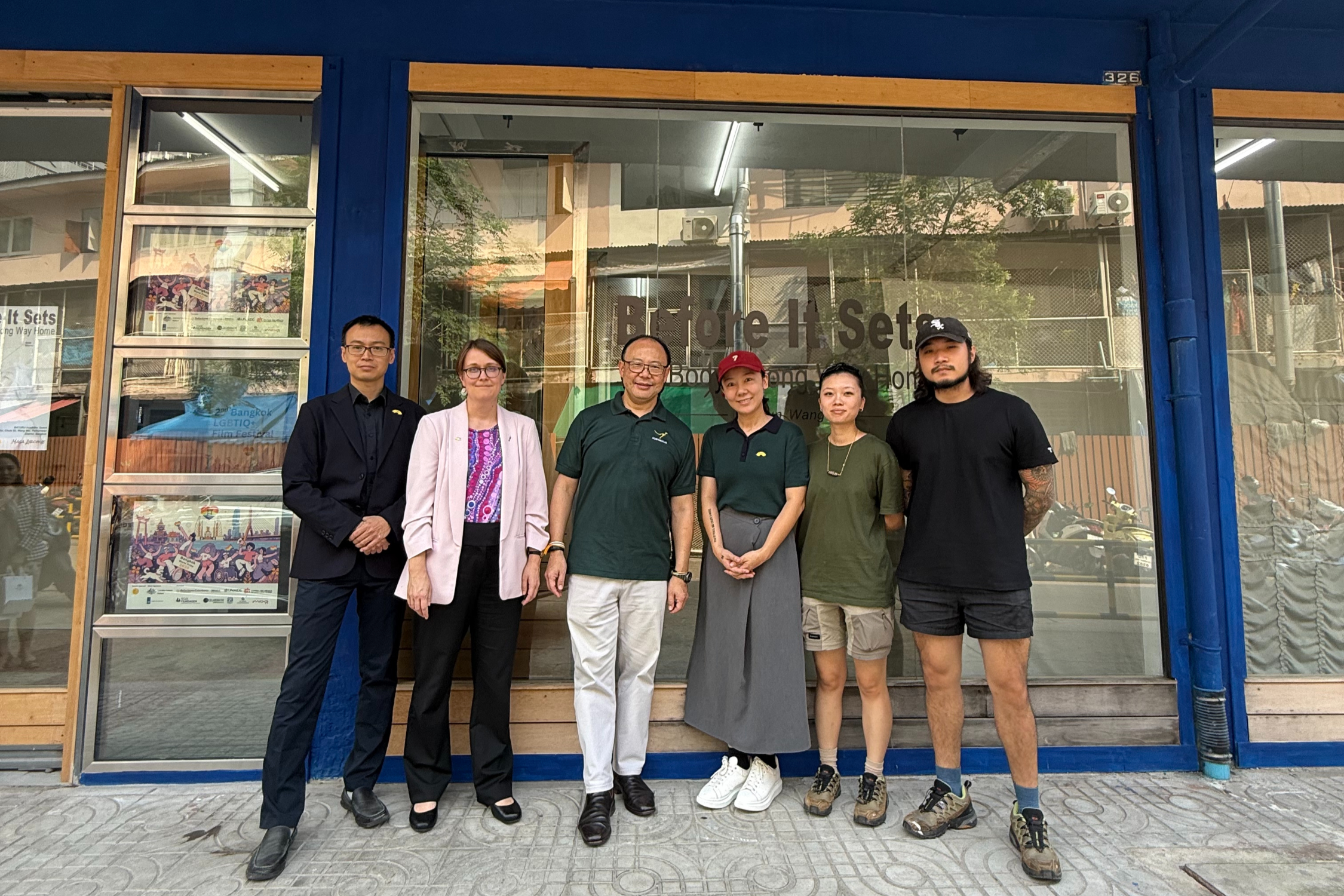
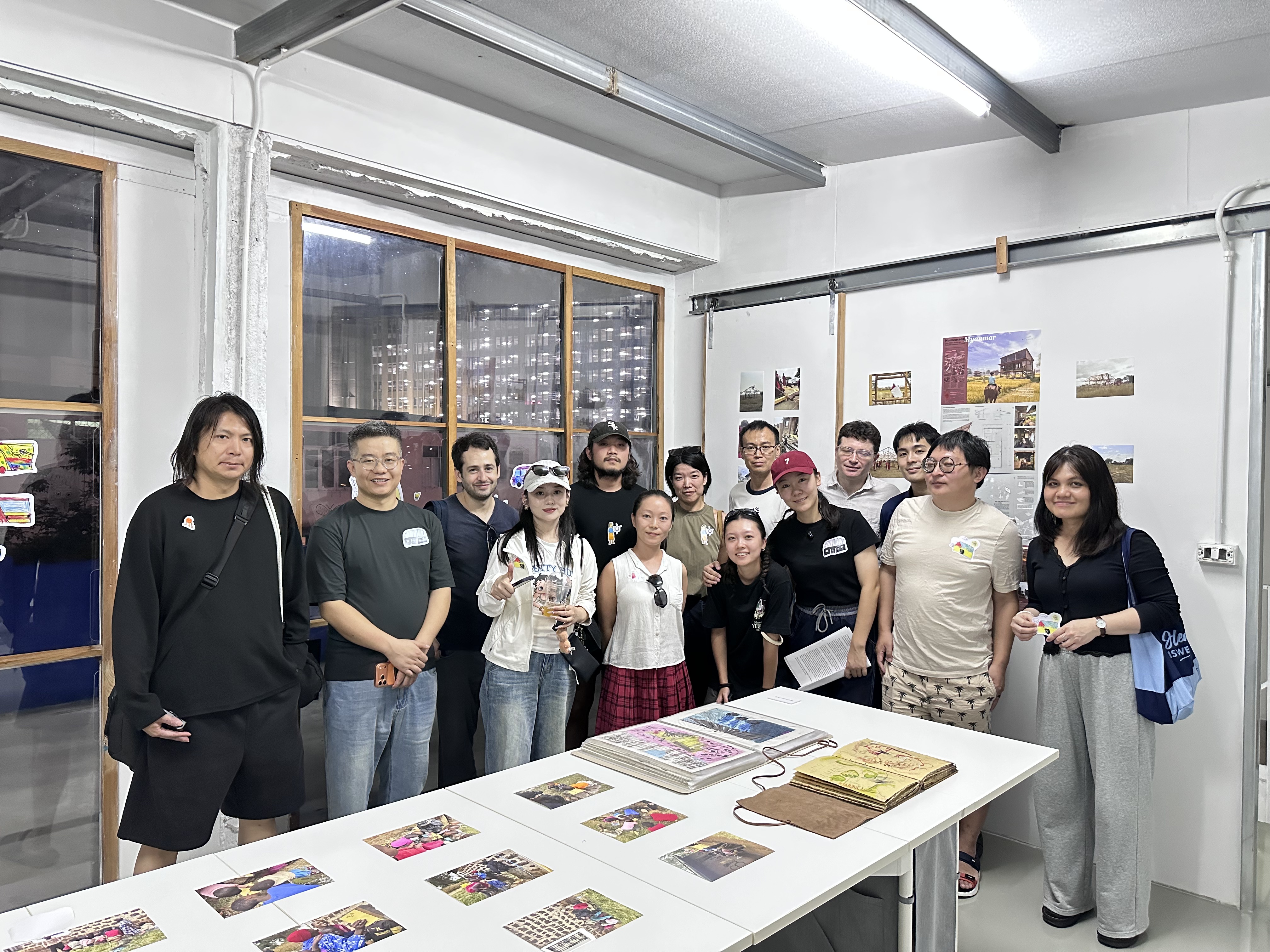
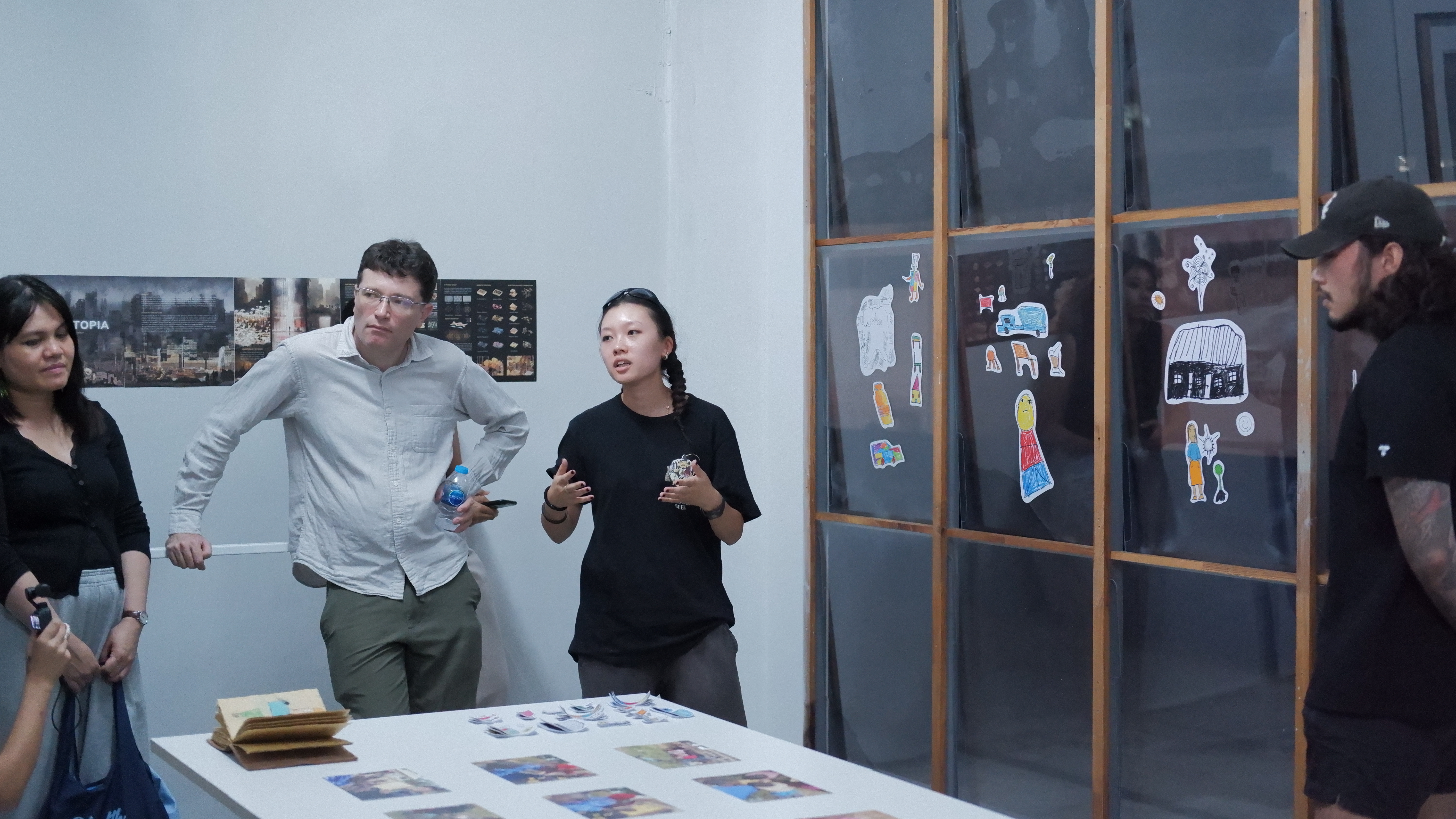
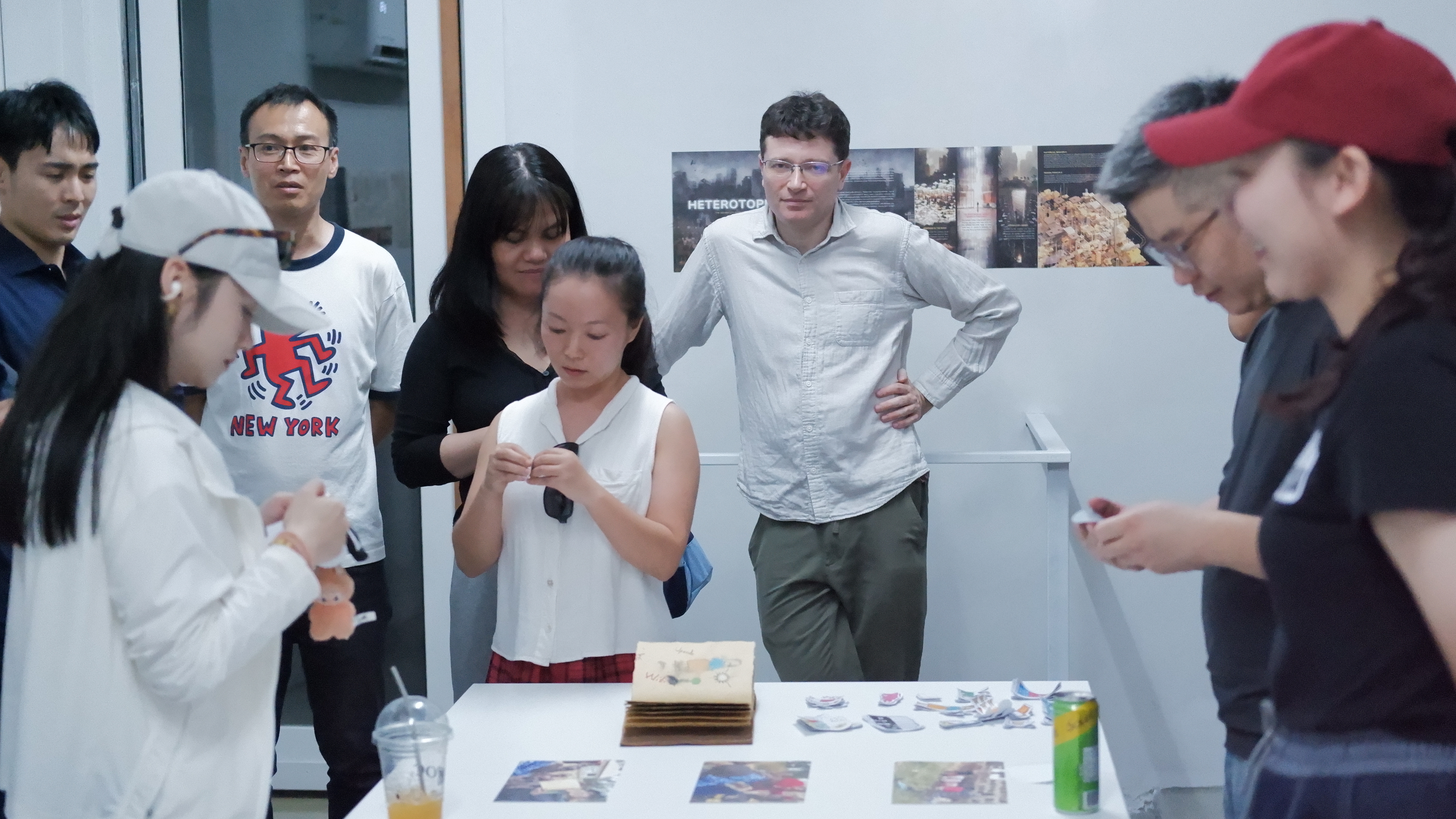
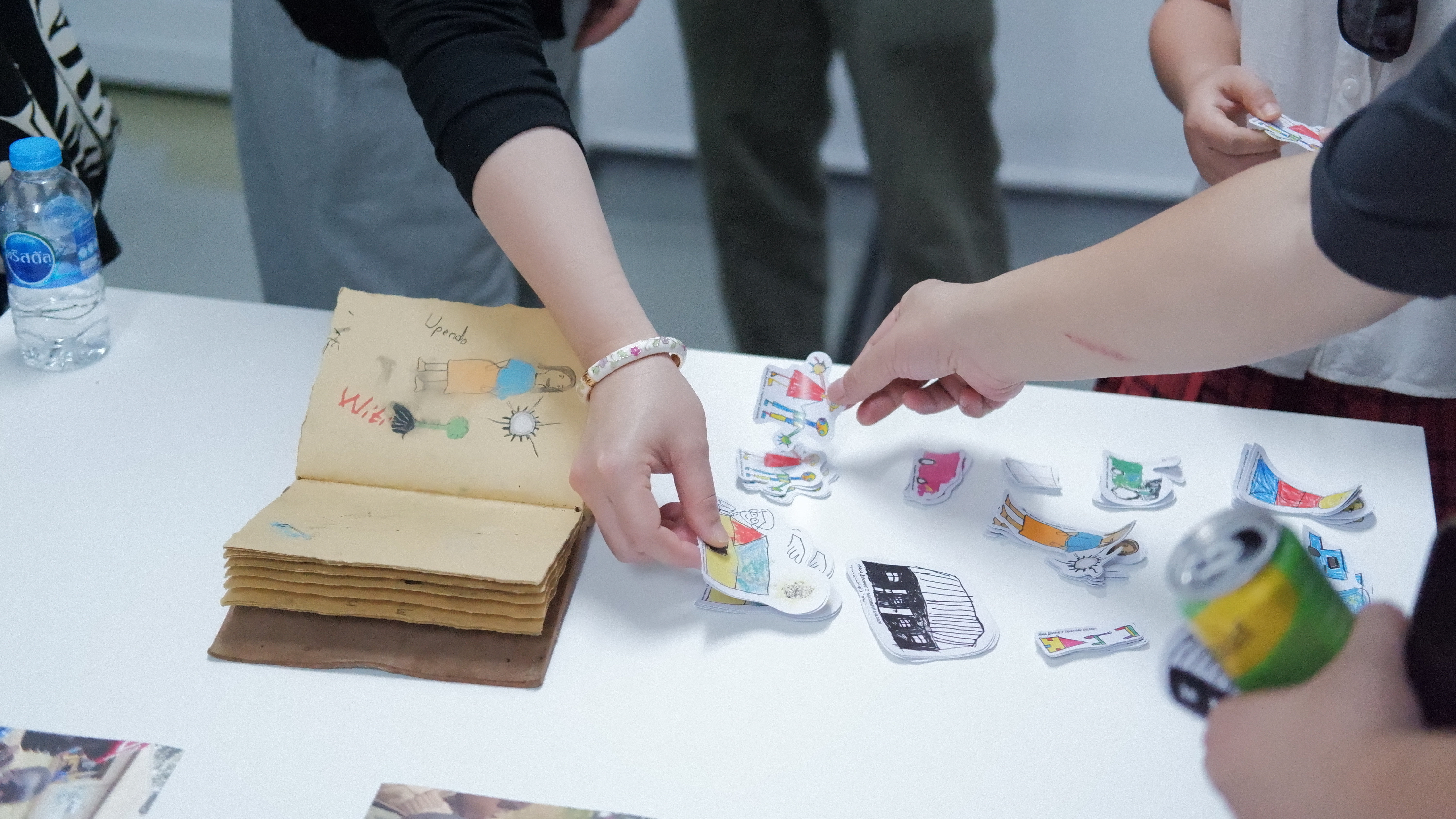
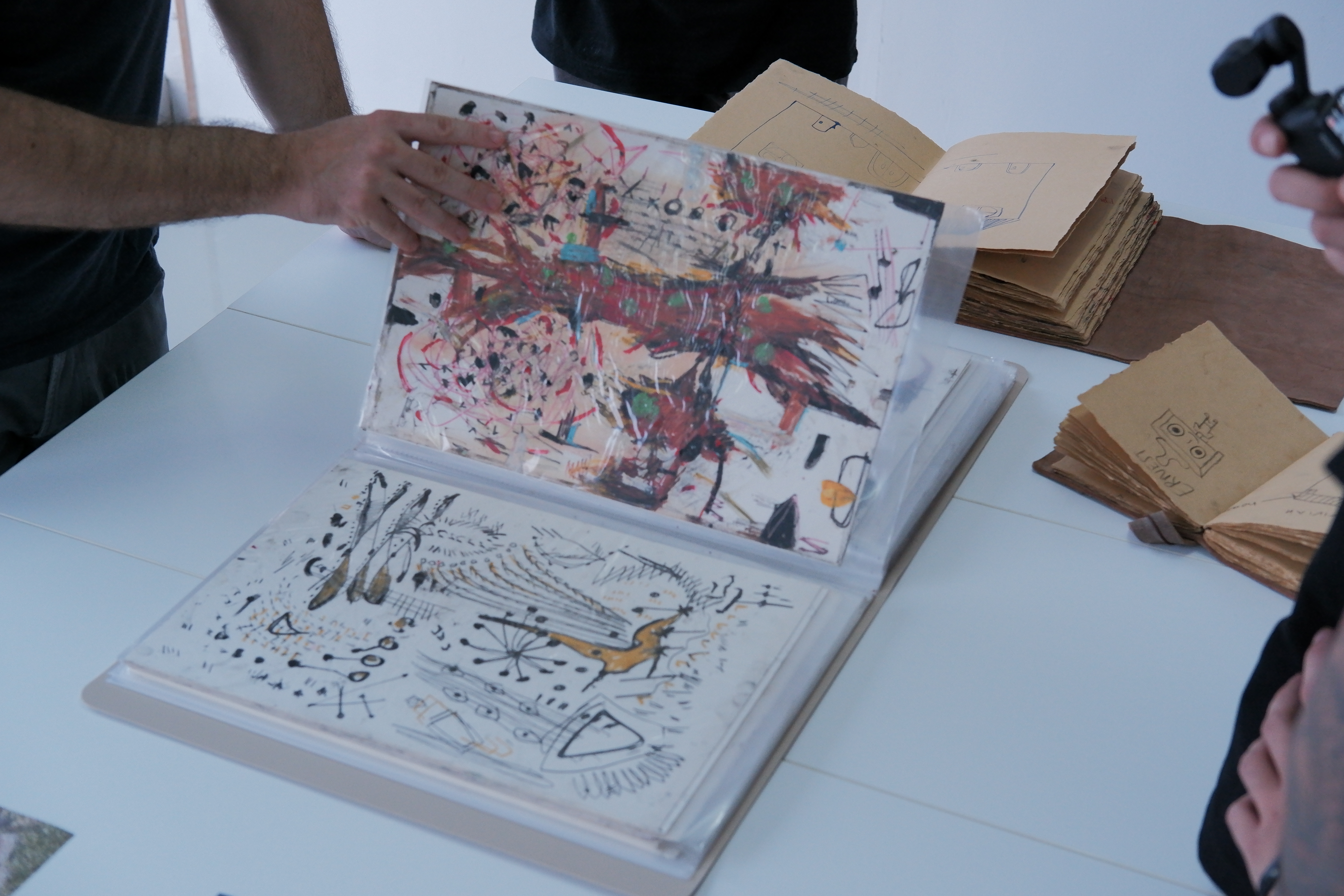
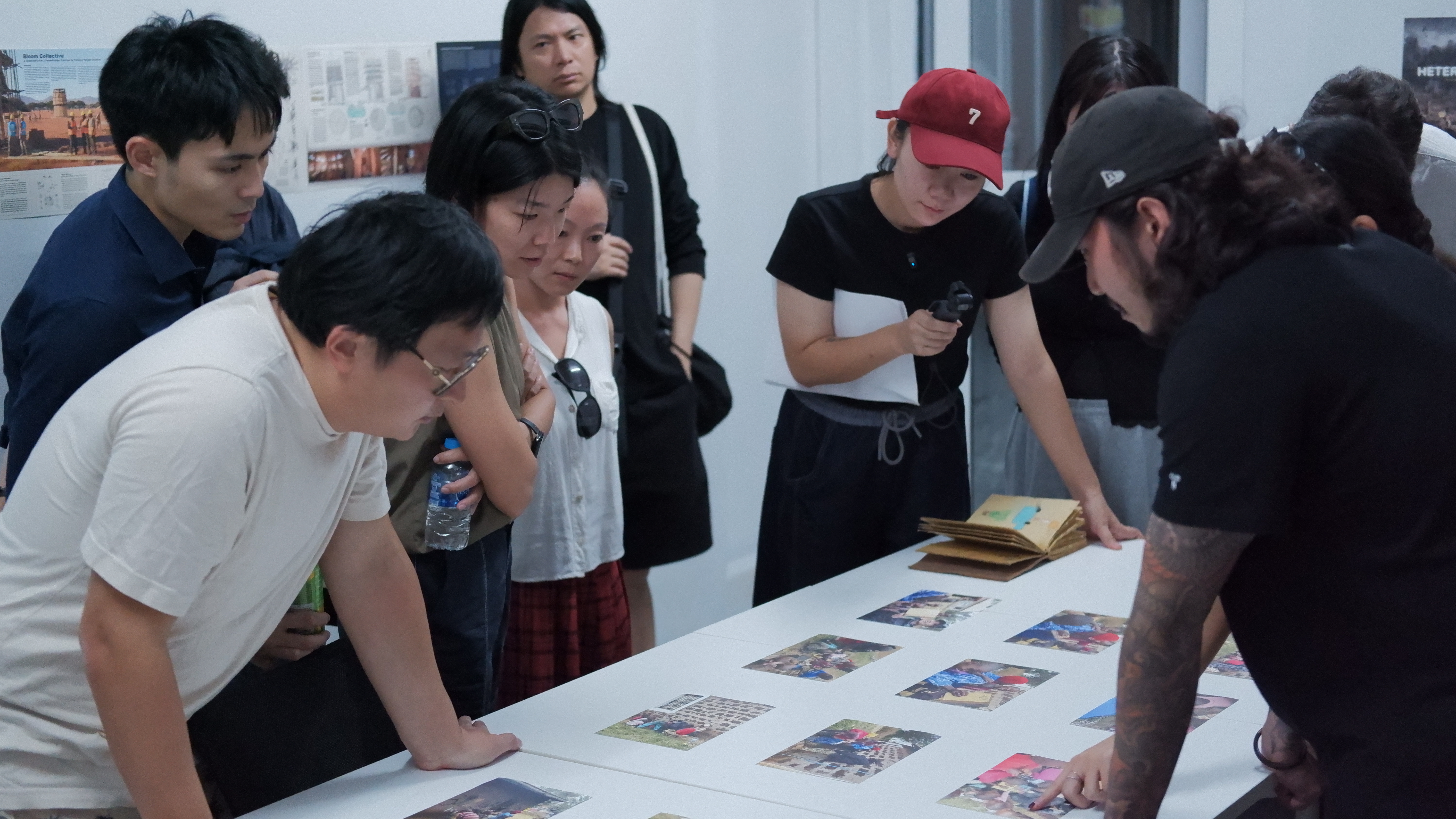
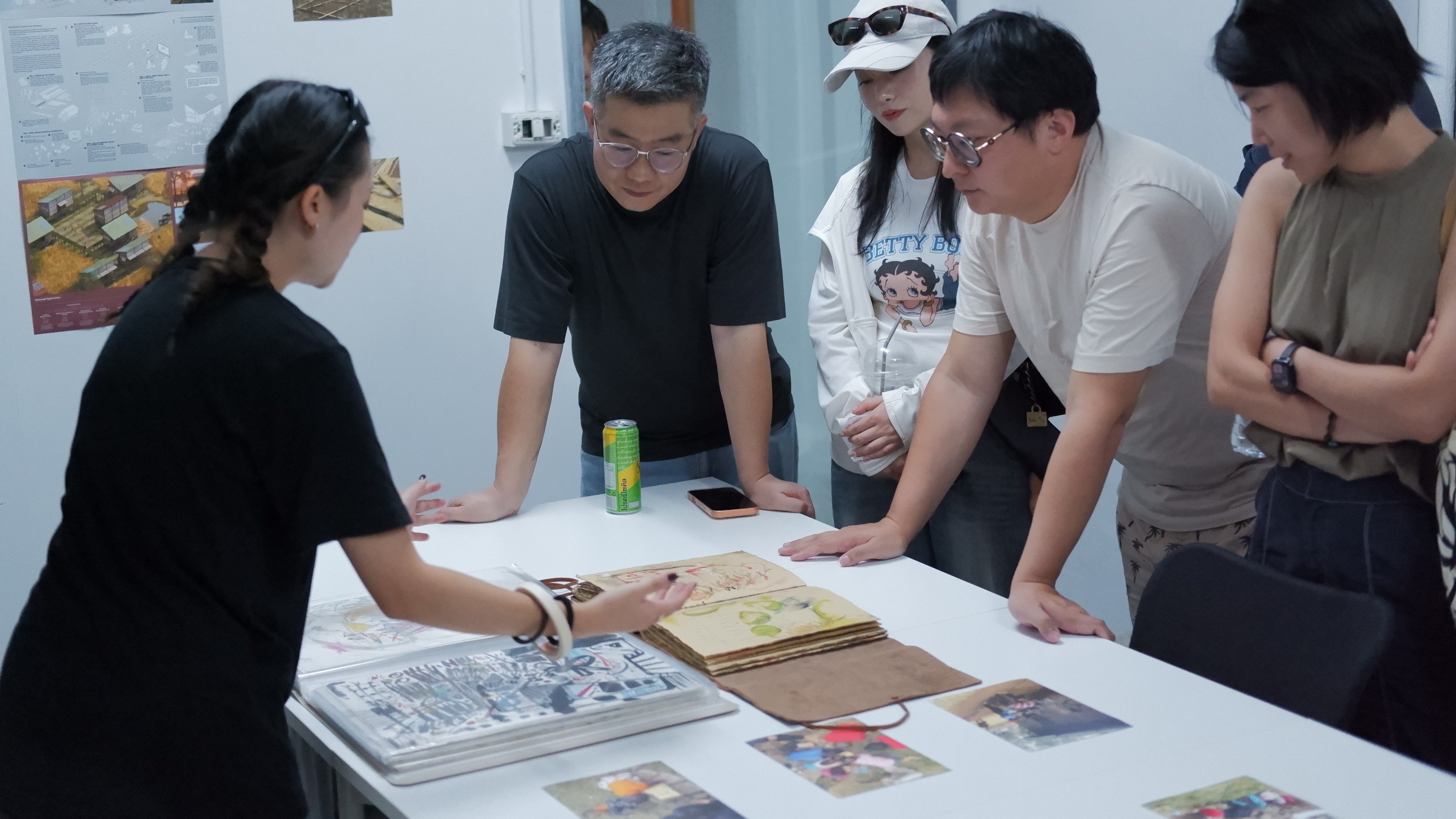
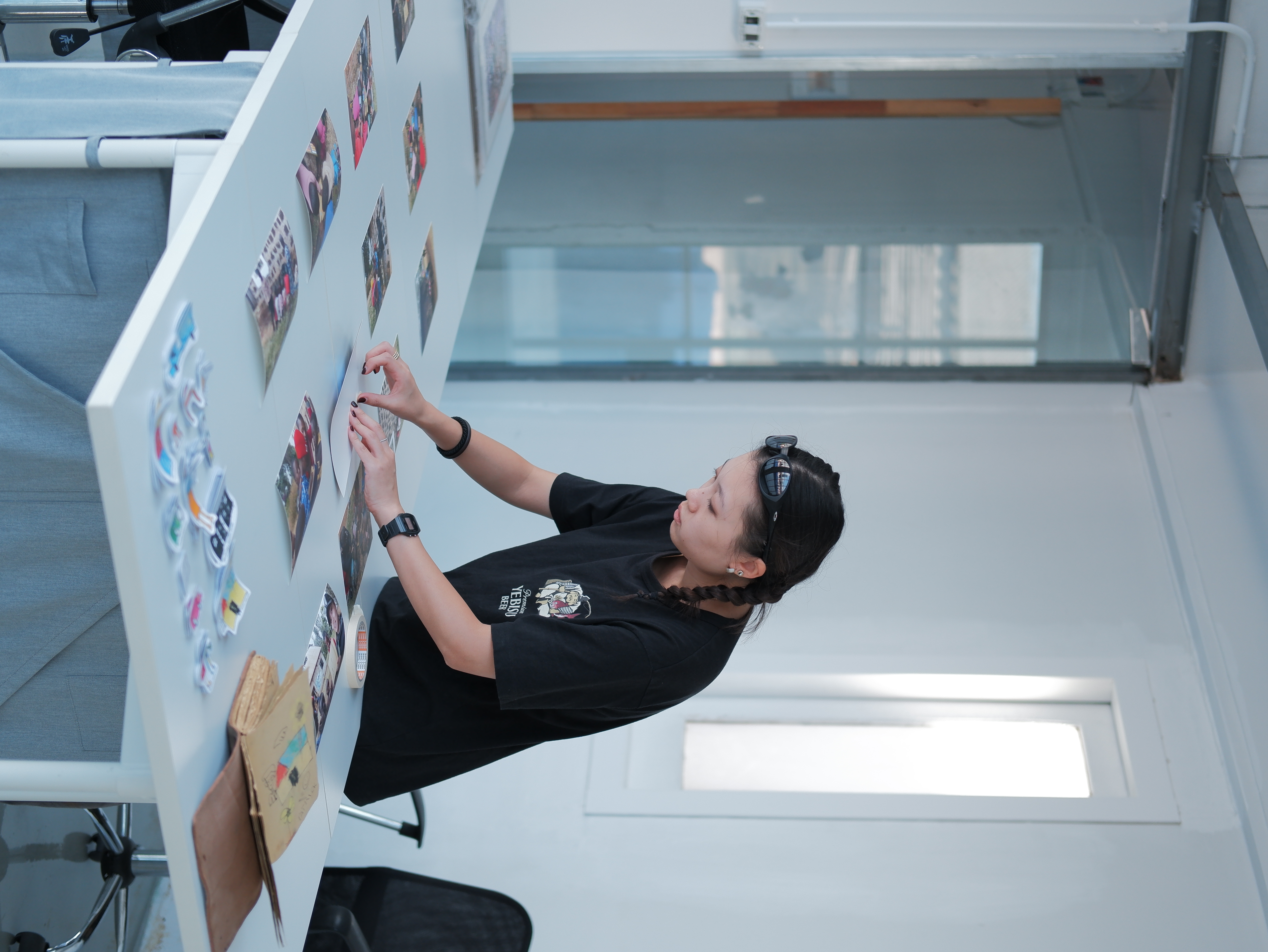
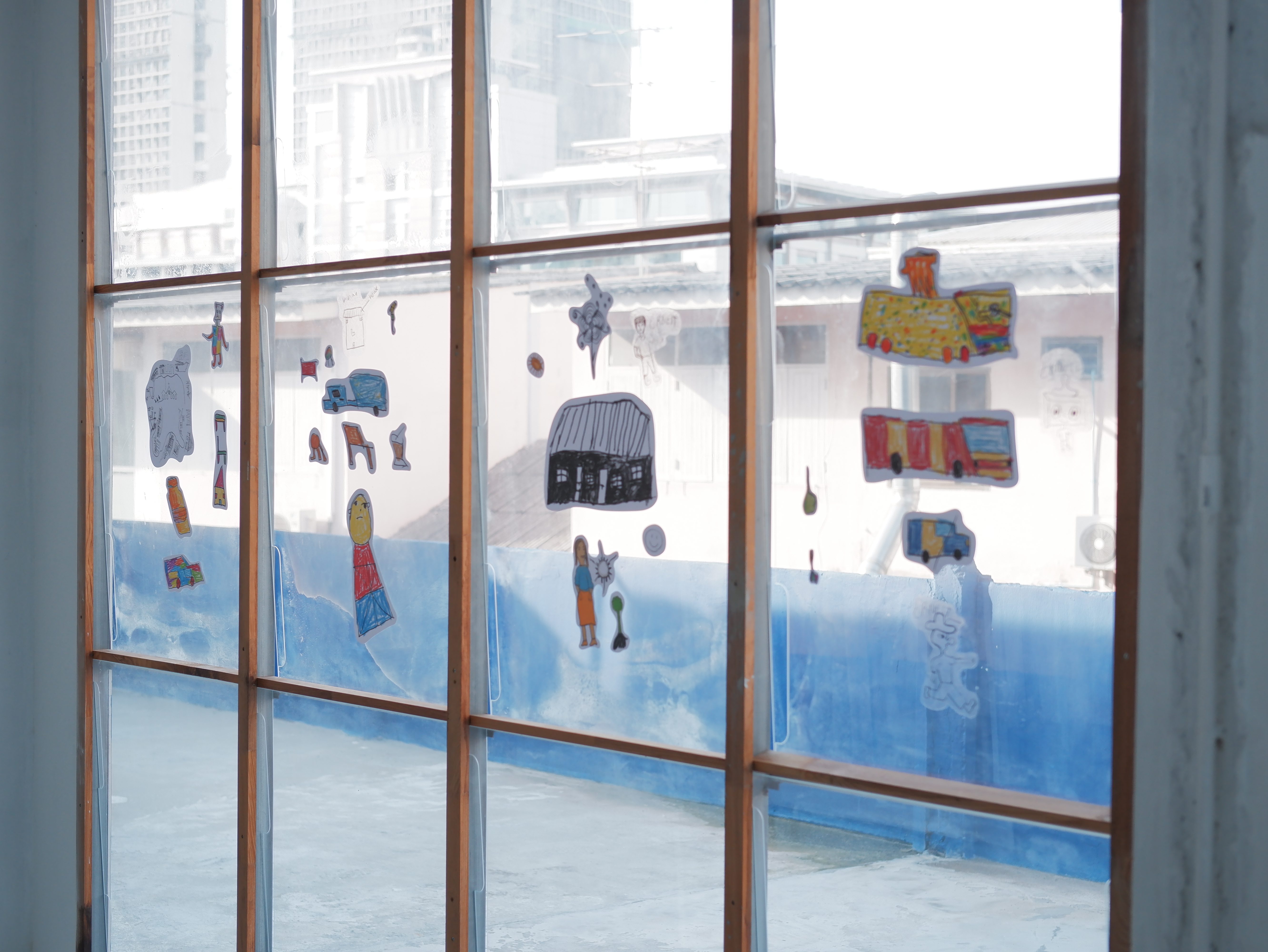
At BATURU Incubator Space in Bangkok, artist Churan Wang and Chenger Song, Operations Director of Masa Archive, jointly presented their preliminary fieldwork and creative practices, opening up a discussion about how the Global South is perceived, represented and understood by the outside world. They presented a collection of children's drawings gathered during fieldwork in Africa, alongside their personal observations and reflections from the field. The discussion extended beyond the drawings themselves, exploring how international perceptions of communities in the Global South are shaped by media narratives, cultural assumptions and existing prejudices. How much of what we believe we know about other people's lives comes from lived experience, and how much is constructed through our own cultural perspectives and imagination? The exchange invited participants to reconsider what happens when different societies, cultures and ways of thinking are interpreted through an external lens. The exchange also brought together Masa Archive and MakeforAll, two parallel initiatives that, while pursuing different approaches, share an interest in engaging with communities in the Global South. Masa Archive focuses on field research, humanistic observation, artistic practice and visual representation, while MakeforAll explores low-cost, practical architectural interventions. Drawing on his background in urban planning and architecture, Wang Churan contributed to the collaborative architectural practice initiated by MakeforAll. Working alongside the parents of local children, the team explored a process of mutual learning through training and hands-on participation, culminating in the construction of a pilot timber-frame structure. This gathering in Thailand marked an initial intersection between artistic exploration, critical reflection and practical collaboration. It raised questions that would continue to inform subsequent work: How do we see others? How do our perceptions shape the stories we tell about other people? And how can we move beyond simple observation and representation towards more reciprocal forms of exchange, participation and co-creation?